Table of Contents
If you’ve been shopping for a new range, you’ve probably passed by the remarkably flat induction cooktop at some point. Ask a group of people what they think of induction, and you’ll get a pretty divisive split of opinions. You’ll find some individuals who absolutely love induction cooking, while others may feel differently.
Don’t worry, we are here to clear the air about this unique technology, the benefits of induction cooking, and how it stacks up to traditional gas and electric ranges.
What is Induction?
The primary difference between induction and gas rangetops is the heating method. Unlike your typical gas or electric range, the cooking surface of an induction range doesn’t appear to have any kind of heating element. You won’t find an electric burner or a way to produce a flame.
Unlike all other ranges, induction cooktops utilize magnetic coils to create an electromagnetic field with your cookware. The resulting magnetic current then causes the cookware to heat up on its own, rather than through the transference of heat. This means that your cooking surface itself doesn’t ever heat up. Even shortly after boiling up water or frying an egg, you’ll find the entire surface, quite remarkably, cool to the touch. 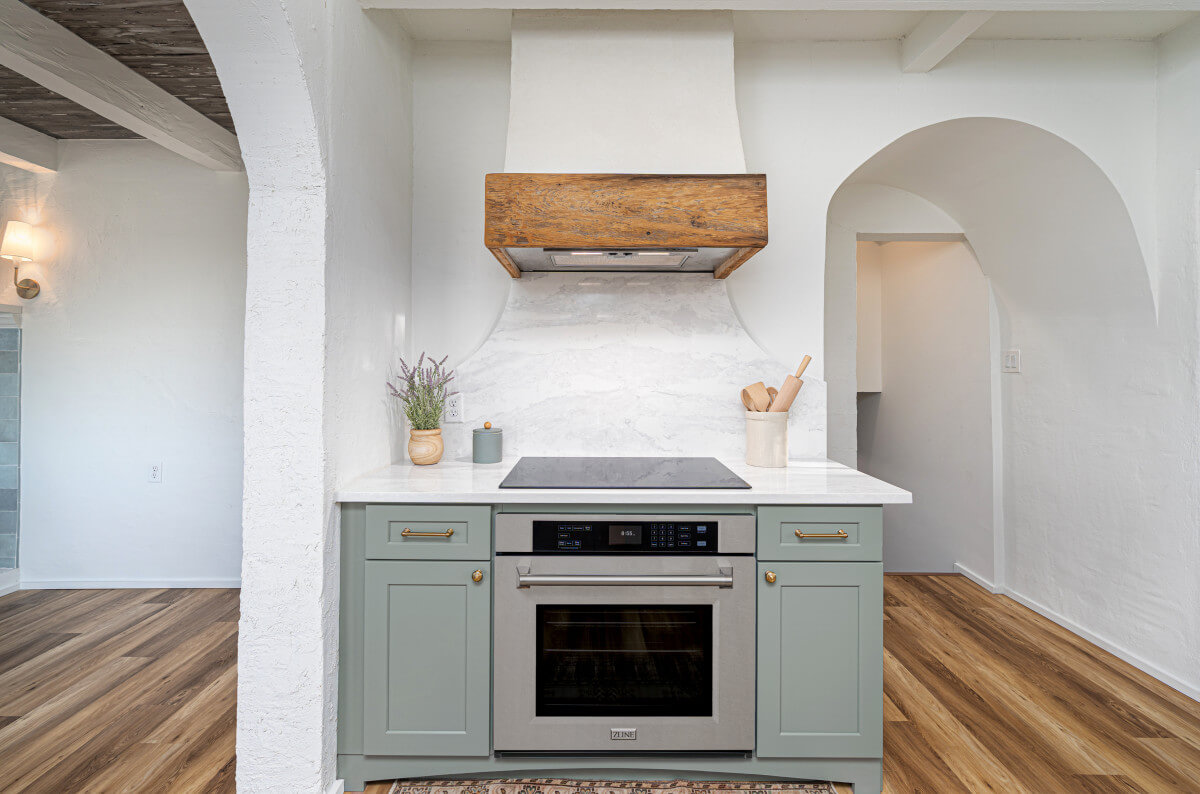
How do Induction Cooktops Work?
Here’s how induction cooktops work:
- Generate an electromagnetic field: The first step is generating an electromagnetic field. Underneath each burner on an induction cooktop, there is a coil of copper wire. When an electric current passes through this coil, it generates an alternating magnetic field.
- Interaction with cookware: The second step is an interaction between alternating electromagnetic fields in the cooktop and cookware. To use an induction cooktop, you need to place cookware that's made of ferromagnetic material (materials that can be magnetized, such as cast iron or some types of stainless steel) on top of the cooktop. The alternating magnetic field generated by the coil interacts with the magnetic properties of the cookware.
- Induced electric current: As the magnetic field interacts with the ferromagnetic cookware, it induces an electric current within the cookware itself. This process is known as electromagnetic induction. The cookware's resistance to the electric current generates heat directly within the cookware.
- Heating: The final step in induction cooking is heat transfer. Once the heat is generated, it is then transferred to the food or liquid inside the cookware, effectively cooking your meal. The heat is generated only within the cookware and its contents, so the surface of the induction cooktop itself remains relatively cool to the touch. This is a safety feature of induction cooktops since there's minimal risk of burning yourself on the surface.
- Adjusting temperature: Induction cooktops offer precise control over the cooking temperature. The strength of the magnetic field can be adjusted, which in turn adjusts the heat generated in the cookware. This allows for rapid heating, immediate cooling, and fine-tuned temperature adjustments.
Induction vs. Gas & Electric Cooking
Now that we have a bit of the science out of the way, let’s see what induction brings to the (dining) table. Here are some benefits of induction compared to typical gas and electric ranges.
Safety
Most people accept the potential hazards their range presents because they aren’t aware of safer alternatives. Without the need for gas or a flame, induction cooking removes the risk of potential kitchen dangers, such as grease fires.
Furthermore, since there isn’t any direct heat involved, the surface significantly reduces the likelihood of accidental burns.
Lastly, without proper ventilation, gas burners can expose people to hazardous levels of nitrogen dioxide, carbon monoxide, and formaldehyde. Regardless of your type of range, it’s always important to have a range hood in your kitchen.
Easy to Clean
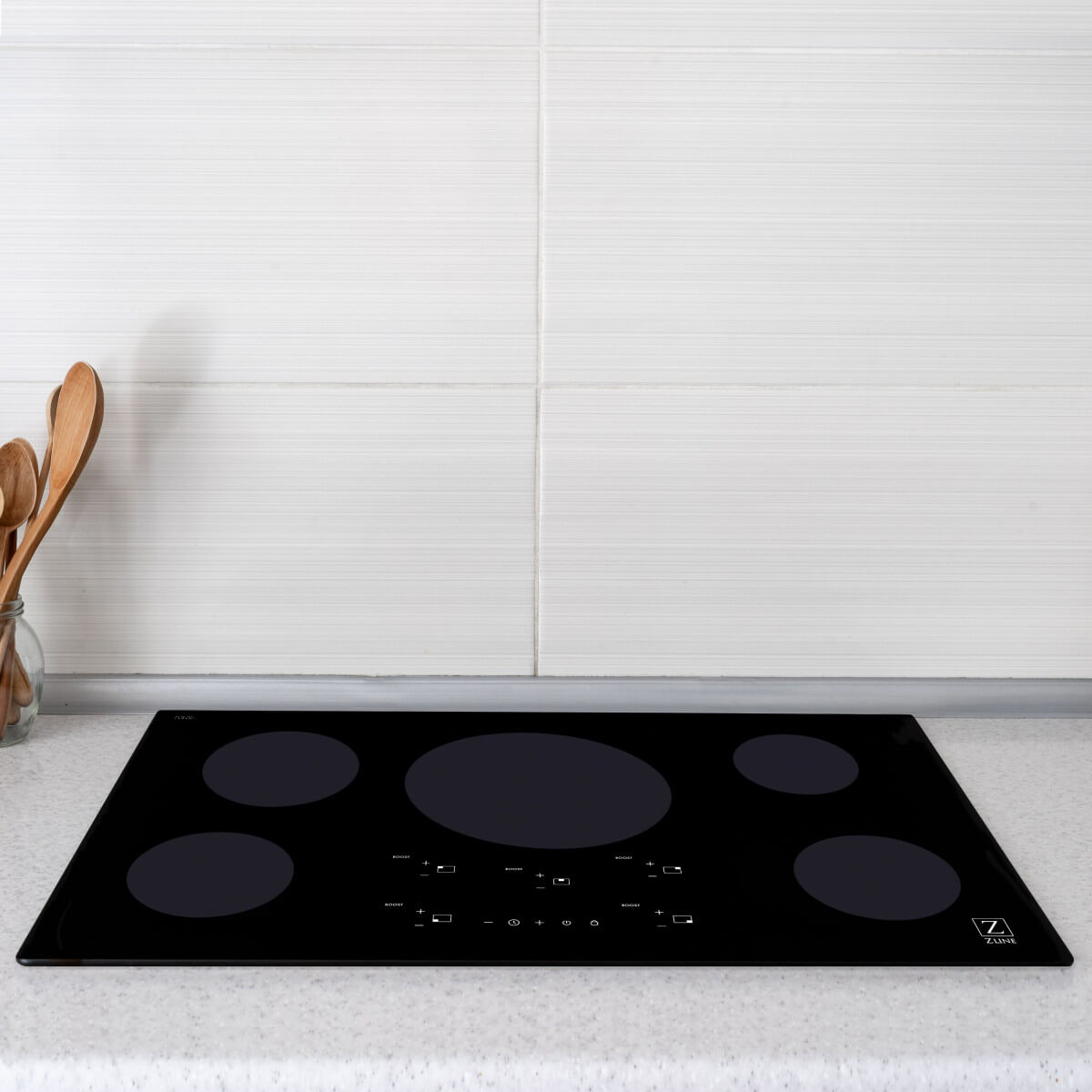
Nearly all induction cooktops feature a completely smooth surface, making cleaning a breeze. You won’t find any sneaky grime buildup in a recess or corner- there’s nowhere for it to hide! And when you do need to clean, just simply wipe off the surface with a simple ceramic glass cleaner.
How to Clean Induction Cooktops
Here's a step-by-step guide on how to clean an induction cooktop:
- Turn off and cool down: Before you start cleaning, make sure the cooktop is turned off and has had enough time to cool down. This is important to avoid burns or damage.
- Wipe down with a damp cloth: Start by wiping down the cooktop surface with a soft, damp cloth to remove any loose debris, spills, or stains. Be gentle and avoid using abrasive materials that could scratch the surface.
- Use a cooktop cleaner: For tougher stains or dried-on food residue, you can use a cooktop cleaner specifically designed for glass or ceramic surfaces. Apply a small amount of the cleaner to the surface and follow the manufacturer's instructions. Usually, you'll need to gently rub the cleaner in a circular motion using a soft cloth or a non-abrasive scrubbing pad.
- Scrape off burnt-on residue: If you have stubborn burnt-on residue, you can use a cooktop scraper specifically designed for glass cooktops. Hold the scraper at a low angle and gently scrape the residue off the surface. Make sure to keep the scraper flat against the surface to avoid scratching.
- Buff with a clean cloth: Once you've cleaned the cooktop, use a clean, dry cloth to buff the surface and remove any remaining residue or streaks.
Induction Cooktop Cleaning Tips
- Regular maintenance: To prevent the buildup of tough stains, make it a habit to wipe down your induction cooktop after each use. This can help you keep it looking clean and minimize the need for heavy cleaning.
- Avoid harsh chemicals: Avoid using abrasive cleaners, harsh chemicals, or scouring pads as they can scratch or damage the cooktop surface. Stick to cleaners that are specifically formulated for glass or ceramic surfaces.
- Check the manual: Always refer to the manufacturer's instructions and guidelines for cleaning your specific induction cooktop model. They might have specific recommendations or warnings to consider.
Energy Efficiency
Thanks to the impressive cooking speeds induction provides, you’ll be saving more on energy as your cook times are cut down. Likewise, without an open flame, induction cooktops will contribute less heat to your home. Induction cooking can even lead to a decrease in the energy cost spent cooling!
Cooking Speed
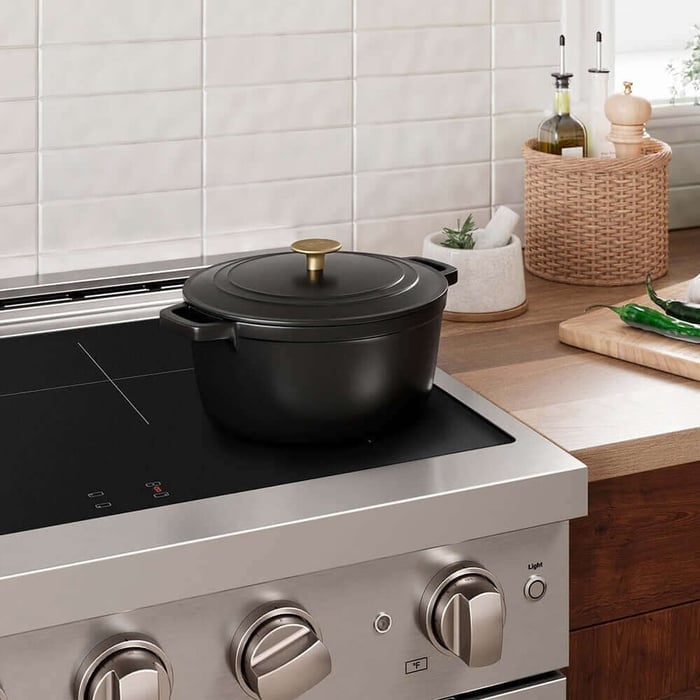
As mentioned earlier, whereas traditional ranges first need to transfer heat to the pan, induction removes this step by heating the pan directly. By removing this step, your time spent cooking will be significantly reduced as well. On average, you can cut down the cooking time of your meals by up to 50%!
The Best Induction Cooktop
Top 3 Induction Cooktops
ZLINE 36 in. Induction Cooktop with 5 Burners (RCIND-36)

This remarkable cooktop combines cutting-edge technology with a sleek design, boasting a SCHOTT CERAN® glass surface imported from Germany. ZLINE's RCIND Induction Cooktop Series offers consistent precision and speed for cooks at every level.
- Power Boost Mode for maximum power
- Power-sharing mode allows for convenient heat transitions
- Keep Warm Mode adds great convenience and enhanced cooking
ZLINE 36 in. Induction Cooktop with 5 Burners (RCIND-36)

$1,199.95
Innovation meets luxury: ZLINE’s RCIND Induction Cooktop Series blends consistent precision and speed with its innovative technology and sleek, SCHOTT CERAN® glass surface imported from Germany. Achieve incredibly fast heat and a quick boil with induction technology that heats 50%… Read More
Forno Lecce - 30 in. 4 Burner Induction Cooktop in Black Glass (FCTIN0545-30)
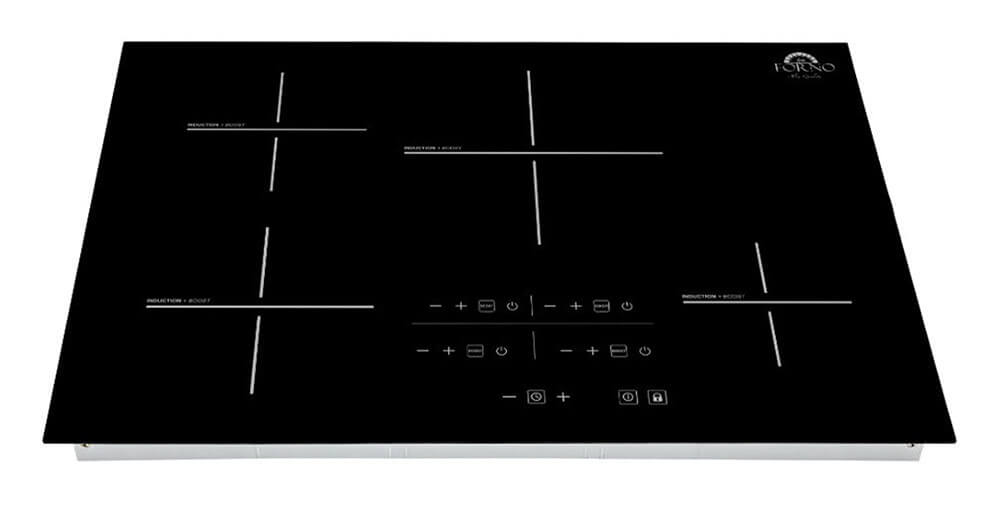
This induction cooktop features 4 induction heating zones, offering precise cooking with 9 power level adjustments and a convenient Power Boost feature that operates for up to 10 minutes.
- Touch Controls
- Control lock for easy cleaning and child safety
- Automatic safety switch off
Forno Lecce - 30 in. 4 Burner Induction Cooktop in Black Glass (FCTIN0545-30)

$749.00
A fusion of modern technology, sleek design, and unmatched cooking precision. Elevate your culinary experience with this cooktop that redefines how you cook and interact with your kitchen appliances. With 4 Induction Heating Zones, the Forno Lecce Cooktop offers you… Read More
Empava 36 in. 5 Burner Induction Cooktop (IDC36)
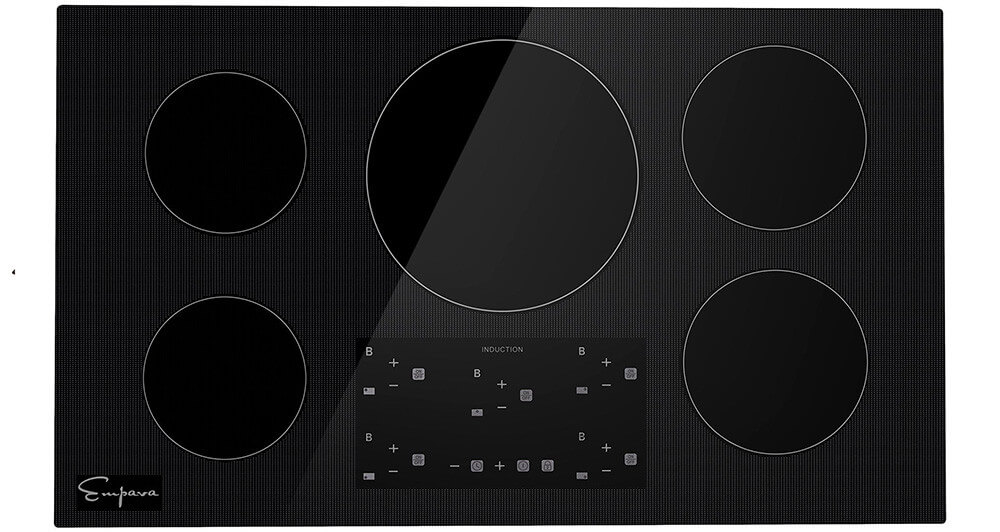
This high-end electric induction cooktop is a true secret weapon for crafting exceptional meals. Exceptionally easy operation allows you to cook like a seasoned chef right in your own kitchen.
- Vitro-ceramic glass surface
- 9 heat level settings
- Simmer, Melt, Keep Warm, and Boost modes
Empava 36 in. 5 Burner Induction Cooktop (IDC36)

$699.99
The next high-end electric induction cooktop by Empava Appliances Inc. is the real secret weapon behind many great meals. Let this electric-operated appliance give you the utmost in cooking flexibility and help you cook like a professional chef in your… Read More
Commonly Asked Induction Questions
Do I need new cookware to use induction cooking?
Not all kinds of cookware will be compatible with induction. In order for your cookware to heat up, it needs to have a flat magnetic bottom. Therefore, cookware with a copper, glass, or aluminum bottom will not work. Luckily, most cookware is commonly made from stainless steel or cast iron. A simple way to test if cookware is compatible is to try to stick a magnet on the underside. You can even try this in the store; if it sticks, you’re good to go!
ZLINE 5-Piece Enameled Cast Iron Cookware Set in White Matte (CWSETS-WM-5)

$359.99
$449.99
Luxury isn’t meant to be left desired—it’s meant to be attainable. The ZLINE 5-Piece Enameled Cast Iron Cookware Set in White Matte (CWSETS-WM-5) provides a professional chef-level culinary experience through powerful enameled cast iron construction, offering exceptional heat retention and… Read More
If you do, however, have cookware not compatible with induction cooking and don’t want to purchase new cookware, there is a solution. Many companies make induction disks, small magnetic rimless disks that are compatible with induction cooking. When placed underneath your non-magnetic cookware, the induction disks will heat up and then heat your pots and pans.
There you go, now you know everything there is to know about what an induction cooktop is. For more information about other kinds of appliances, such as microwave speed ovens or outdoor kitchens, check out the rest of our blog.
If you would like additional help finding the induction cooktop, please feel free to call us at 1 (866) 212-9706 or book a consultation with one of our induction cooktop experts!
Follow our social media or contact us.
FAQs
What is an induction cooktop?
An induction cooktop is a type of electric cooking surface that uses electromagnetic energy to heat cookware directly rather than heating the cooktop itself. Instead of relying on exposed heating elements or open flames, induction cooktops generate heat inside compatible cookware, making cooking faster, safer, and more precise.
How does an induction cooktop work?
Induction cooktops use copper coils beneath the glass surface to create an electromagnetic field. When ferromagnetic cookware is placed on the surface, this field induces an electric current within the cookware, generating heat directly in the pan. Because the heat is created in the cookware, the cooktop surface remains relatively cool.
What are the main benefits of induction cooking?
Induction cooking offers faster heating, precise temperature control, improved energy efficiency, and enhanced safety. Because heat is generated directly in the cookware, cooking times can be reduced significantly, and there is less wasted energy compared to gas or traditional electric cooking.
Is induction cooking safer than gas or electric cooking?
Yes. Induction cooktops eliminate open flames and significantly reduce surface heat, lowering the risk of burns and grease fires. Additionally, induction does not produce combustion byproducts such as carbon monoxide or nitrogen dioxide, which can be present with gas cooking.
Does the induction cooktop surface get hot?
The cooktop surface itself does not generate heat. Any warmth on the surface comes from residual heat transferred from the cookware after cooking. This allows the surface to cool quickly once the cookware is removed.
Is induction cooking more energy efficient?
Induction cooktops are among the most energy-efficient cooking options available. Because heat is generated directly in the cookware, very little energy is lost, and kitchens stay cooler during cooking, potentially reducing cooling costs in warmer months.
Do I need special cookware for induction cooking?
Yes. Induction cooktops require cookware with a magnetic base, such as cast iron or many stainless steel pots and pans. Cookware made entirely of aluminum, copper, or glass will not work unless used with an induction-compatible interface disk.
How can I tell if my cookware is induction-compatible?
A simple test is to place a magnet on the bottom of the cookware. If the magnet sticks firmly, the cookware will work on an induction cooktop.
Are induction cooktops easy to clean?
Induction cooktops are very easy to clean thanks to their smooth glass surfaces. Since food spills are less likely to burn onto the surface, most messes can be wiped away with a soft cloth and a glass or ceramic cooktop cleaner.
Are induction cooktops safe for health?
Yes. While induction cooktops use electromagnetic fields, the levels emitted are extremely low and well within safety standards. Regular use does not pose a health risk.
Can I install an induction cooktop without a gas line?
Absolutely. Induction cooktops run entirely on electricity, making them an excellent choice for homes without gas access or for homeowners transitioning away from gas appliances.
How does induction compare to gas and traditional electric cooking?
Induction cooking is faster and more precise than both gas and traditional electric cooking. It offers immediate temperature adjustments similar to gas, while providing the even heating and efficiency associated with electric cooking.
What is a good induction cooktop to consider?
One standout option is the ZLINE Induction Cooktop Series, which combines precision, speed, and premium materials like SCHOTT CERAN® glass. These cooktops deliver professional-level performance with user-friendly controls and modern design.
Is induction cooking right for every kitchen?
Induction cooktops are ideal for homeowners who value speed, safety, and efficiency. They are especially well-suited for modern kitchens, small spaces, and households looking for precise control and easier cleanup.
Is food cooked on an induction cooktop safe to eat?
Yes. Induction cooking does not alter food safety or nutrition. As with any cooking method, proper cooking temperatures should be followed to ensure food is thoroughly and safely prepared.