Table of Contents
Stainless steel appliances have become a popular choice for modern kitchens due to their sleek, contemporary appearance and durability. While they're known for their resilience against rust and staining, they can still lose their shine over time. In this guide, we'll show you how to clean stainless steel appliances and ensure they continue to dazzle in your kitchen.
Gather Your Cleaning Supplies:
Before you clean stainless steel appliances, it's essential to have the right tools and materials on hand. Here's a list of what you'll need:
Microfiber cloths
Warm water
Mild dish soap
White vinegar
Baking soda
Olive oil or specialized stainless steel cleaner
A soft-bristle brush or toothbrush
Rubber gloves (optional)
Daily Maintenance:
To keep your stainless steel appliances looking their best, make it a habit to wipe them down regularly with a microfiber cloth and warm, soapy water. This simple step helps remove everyday smudges, fingerprints, and spills. Remember to always wipe in the direction of the grain to avoid streaks. It’s also just as important to use a clean, dry cloth to dry the appliance completely, to remove any remaining water droplets.
Removing Stubborn Stains:
Sometimes, tougher stains or dried-on spills can mar the surface of your stainless steel appliances. For these situations, try the following:
1. Make a vinegar cleaning solution:
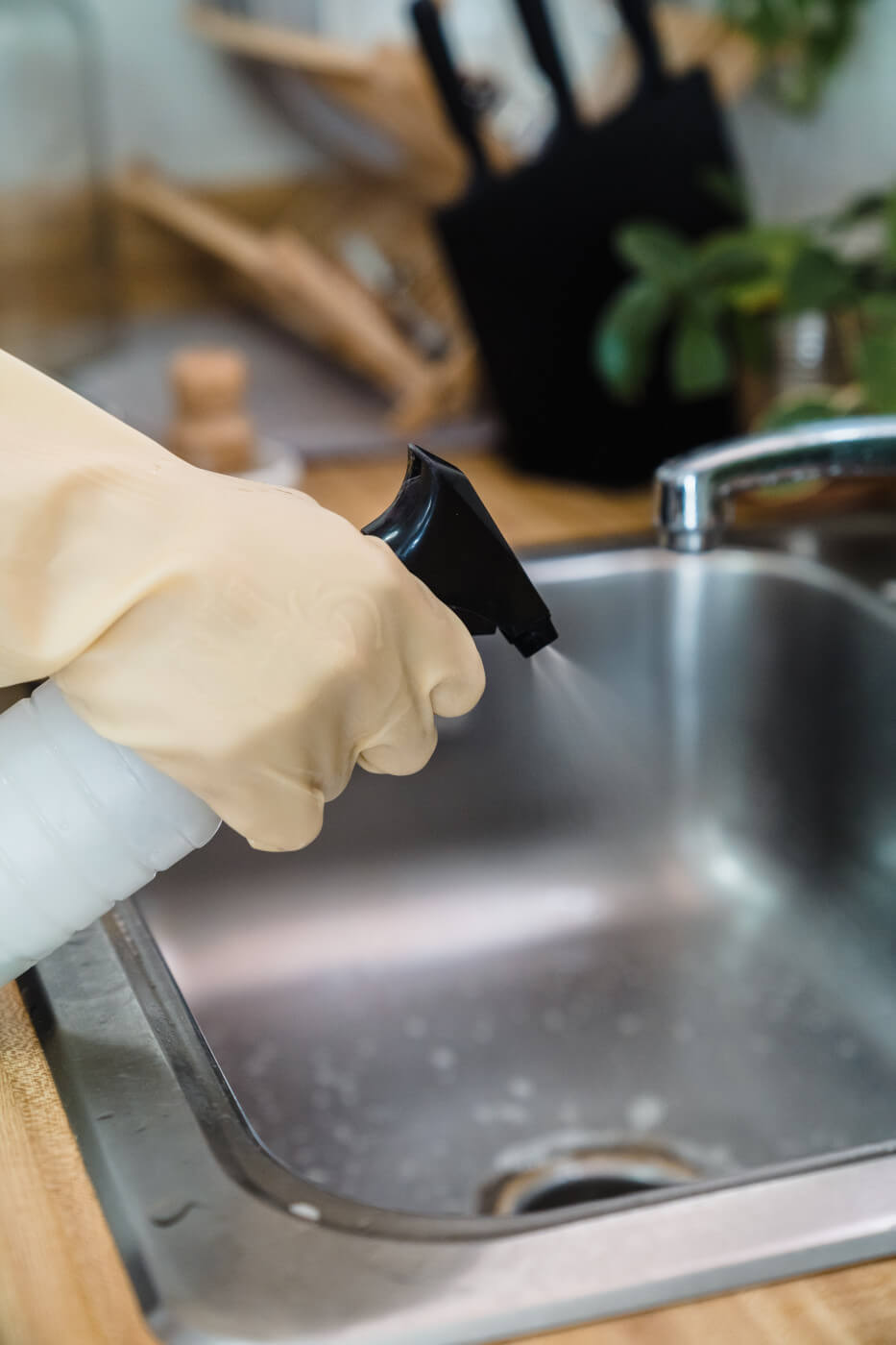
Mix equal parts of water and white vinegar in a spray bottle. This natural solution effectively breaks down stains without damaging the steel.
Spray and soak: Spray the vinegar solution onto the affected areas and let it sit for a few minutes to loosen the stains.
Scrub gently: Use a soft-bristle brush or an old toothbrush to scrub the stained areas in the direction of the grain. Be very gentle to avoid scratching the surface.
Rinse and dry: Wipe away the residue with a clean, damp microfiber cloth, then dry the appliance thoroughly to prevent water spots.
2. Make a baking soda and water solution:
Create a paste by mixing baking soda and water. The consistency should be thick enough to adhere to the stain.
Apply the baking soda paste to the stain, ensuring full coverage.
Let it sit for 15-30 minutes to allow the paste to break down the stain.
Wipe the paste away with a damp cloth. Make sure to wipe in the direction of the grain for the best results.

Commercial stainless steel cleaners such as Barry’s Restore It All Scratch-B-Gone Homeowner Kit are formulated specifically to remove tough stains without harming the surface of your appliance. Barry's Scratch-B-Gone comes with easy-to-follow instructions, and the company has also provided a detailed video demonstration.
Polishing for Shine:
To give your stainless steel appliances that showroom-worthy shine:
Apply a small amount of olive oil or a specialized stainless steel cleaner to a microfiber cloth.
Buff the surface in the direction of the grain. This will help remove any streaks and restore the stainless steel's luster.
Wipe away any excess oil or cleaner with a dry cloth to avoid a greasy residue.
Protecting Against Future Stains:
Consider using stainless steel polish or a protective spray to create a barrier that prevents fingerprints and smudges. This extra step can save you time on cleaning in the long run.
How to Clean Black Stainless Steel Appliances?
If your stainless steel appliances have different finishes, like brushed or black stainless steel, it’s always best to follow the manufacturer's guidelines for cleaning to avoid damage or discoloration, if provided. However, a good home remedy we always recommend is using warm water, mild dish soap, and a microfiber cloth for deep cleaning black stainless steel. If you’re looking for a black stainless steel cleaner, we recommend ZLINE Stainless Steel Cleaner and Polish (STCLT-8), as it is safe to use.
ZLINE Stainless Steel Cleaner and Polish (STCLT-8)

$19.95
Luxury isn’t meant to be desired - it’s meant to be attainable. ZLINE Stainless Steel Cleaner and Polish (STCLT-8) helps you preserve a pristine shine and high-quality finish by easily eliminating fingerprints, dissolving grease, and removing streaks, smudges, and even… Read More
Tips to Know:
Avoid using abrasive cleaners or scrubbers.
Do not use harsh chemicals, such as bleach or ammonia.
For the best maintenance and longevity of the appliance, it’s best to wipe it regularly with a damp microfiber or soft cotton cloth to prevent dirt and grime build-up.
You can buff out your appliance! However, be sure to use a soft cloth as this won't scratch it but rather give it a bit of sparkle!
Use a food-grade and non-toxic solution to avoid contaminating food.
With just a bit of regular care and the right cleaning techniques, you can clean stainless steel appliances and keep them looking as good as new. As someone who may be extremely busy, you no longer need to spend hours scrubbing and polishing. Incorporate these cleaning tips into your routine, and your kitchen will continue to shine! So go and enjoy your beautiful stainless steel appliances in your dream kitchen!
If you’re ready to purchase additional stainless steel appliances, call us at 1 (866) 212-9706 or book a consultation with one of our stainless steel product experts!
Connect with us on social media!
FAQs
Why do stainless steel appliances lose their shine over time?
Despite their durability, stainless steel appliances are constantly exposed to fingerprints, grease, water spots, and airborne residue. Over time, this buildup dulls the surface and reduces the reflective finish if not cleaned regularly.
What is the best way to clean stainless steel appliances daily?
Daily maintenance is simple and effective. Use a microfiber cloth with warm water and a small amount of mild dish soap to remove fingerprints and smudges. Always wipe and dry in the direction of the grain to prevent streaking.
Why is it important to wipe in the direction of the grain?
Stainless steel has a visible grain similar to wood. Cleaning with the grain helps prevent streaks and micro-scratches while preserving the appliance’s natural finish.
Can vinegar safely clean stainless steel appliances?
Yes. A diluted solution of equal parts white vinegar and water is a safe, natural way to break down grease and stubborn stains without damaging stainless steel when used properly.
How do I remove tough stains or dried-on residue from stainless steel?
For tougher stains, apply a vinegar solution and let it sit briefly before gently scrubbing with a soft-bristle brush or toothbrush. Always scrub lightly and follow the grain to avoid scratching.
Is baking soda safe for stainless steel appliances?
Baking soda can be used carefully. When mixed with water into a paste, it helps lift stubborn stains. Apply gently, allow it to sit for 15 to 30 minutes, then wipe away with a damp cloth in the direction of the grain.
What should never be used on stainless steel surfaces?
Avoid abrasive cleaners, steel wool, harsh scrubbers, bleach, and ammonia. These products can permanently scratch or discolor stainless steel finishes.
How do I polish stainless steel appliances for a glossy finish?
Apply a small amount of olive oil or a dedicated stainless steel polish to a microfiber cloth and buff gently along the grain. Always remove excess product with a clean, dry cloth to avoid residue.
Do commercial stainless steel cleaners work better than home remedies?
Commercial cleaners are formulated specifically for stainless steel and can be very effective for deeper cleaning and scratch reduction. Products like the Scratch-B-Gone kits are designed to remove marks without damaging the surface.
Is black stainless steel cleaned the same way as regular stainless steel?
No. Black stainless steel requires gentler care. Warm water, mild dish soap, and a microfiber cloth are recommended. Abrasive cleaners or aggressive polishing can damage the finish or cause discoloration.
Does ZLINE Kitchen & Bath recommend a cleaner for black stainless steel?
Yes. ZLINE recommends their Stainless Steel Cleaner and Polish, which is safe for use on black stainless steel finishes and helps remove fingerprints without harming the surface.
How often should stainless steel appliances be cleaned?
Light cleaning should be done daily or as needed to remove fingerprints. A deeper clean and polish can be done weekly or biweekly, depending on usage.
Can stainless steel appliances be protected from fingerprints?
Yes. Using a stainless steel polish or protective spray creates a barrier that reduces fingerprints and smudges, making routine cleaning faster and easier.
Is it safe to use food-grade or natural cleaners on kitchen appliances?
Absolutely. Food-grade, non-toxic cleaners are recommended for kitchen appliances to avoid contaminating food-prep areas while still achieving excellent cleaning results.
Will regular cleaning extend the life of stainless steel appliances?
Yes. Consistent, proper care prevents buildup, corrosion, and surface damage, helping stainless steel appliances maintain both their appearance and long-term durability.